Medical Camp / Free Health Check-up Camps
Program Objective
After witnessing the severe impact of the second wave of COVID-19, where many families suffered due to lack of medical facilities, Youth Base Development Society took the initiative to bring healthcare facilities to the doorsteps of people.
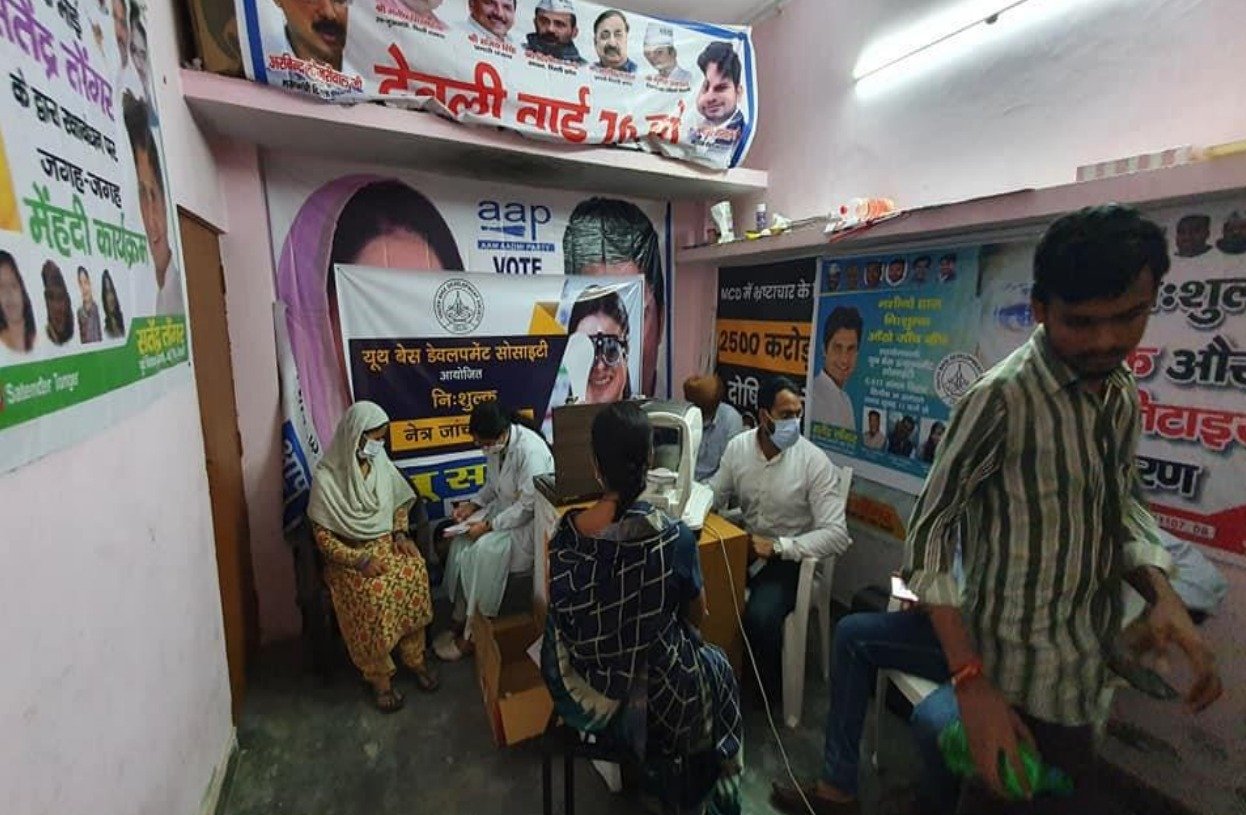
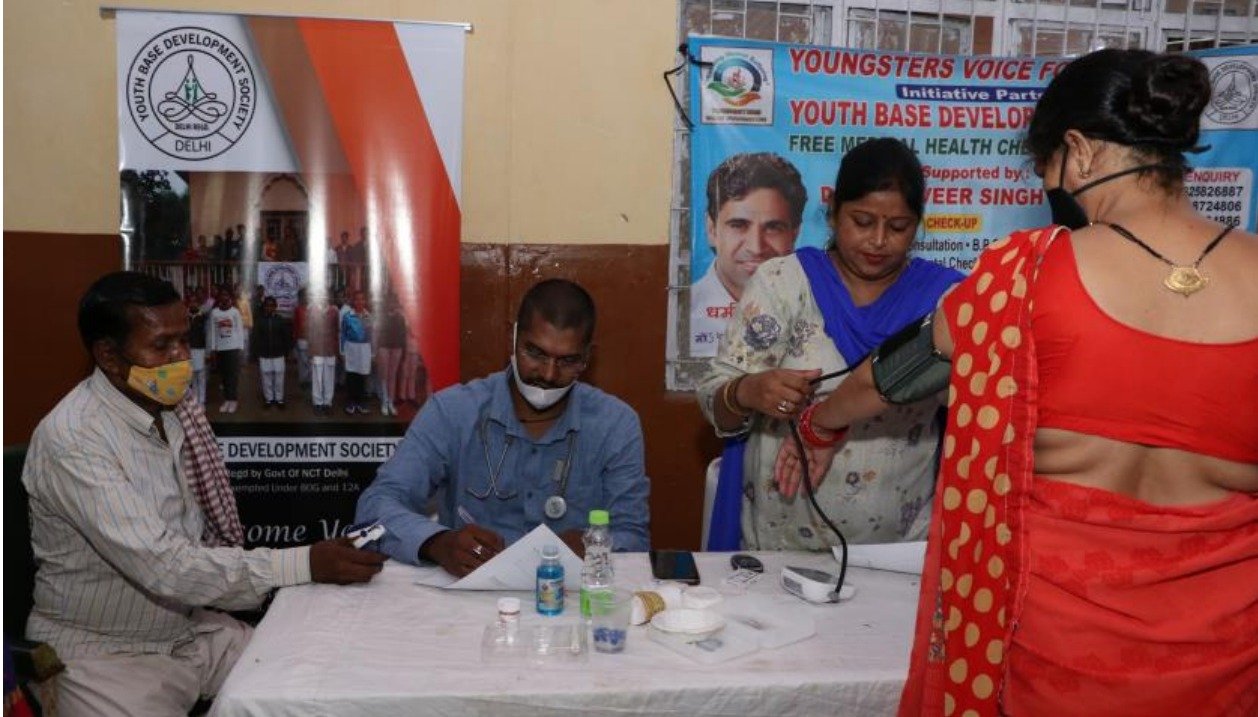
With this objective, YBDS organized free medical check-up camps and eye-check-up camps for people living in slum areas and underserved communities of Delhi.
These camps are conducted with the support of well-known hospitals, qualified doctors, and healthcare professionals.
Camp Services & Facilities
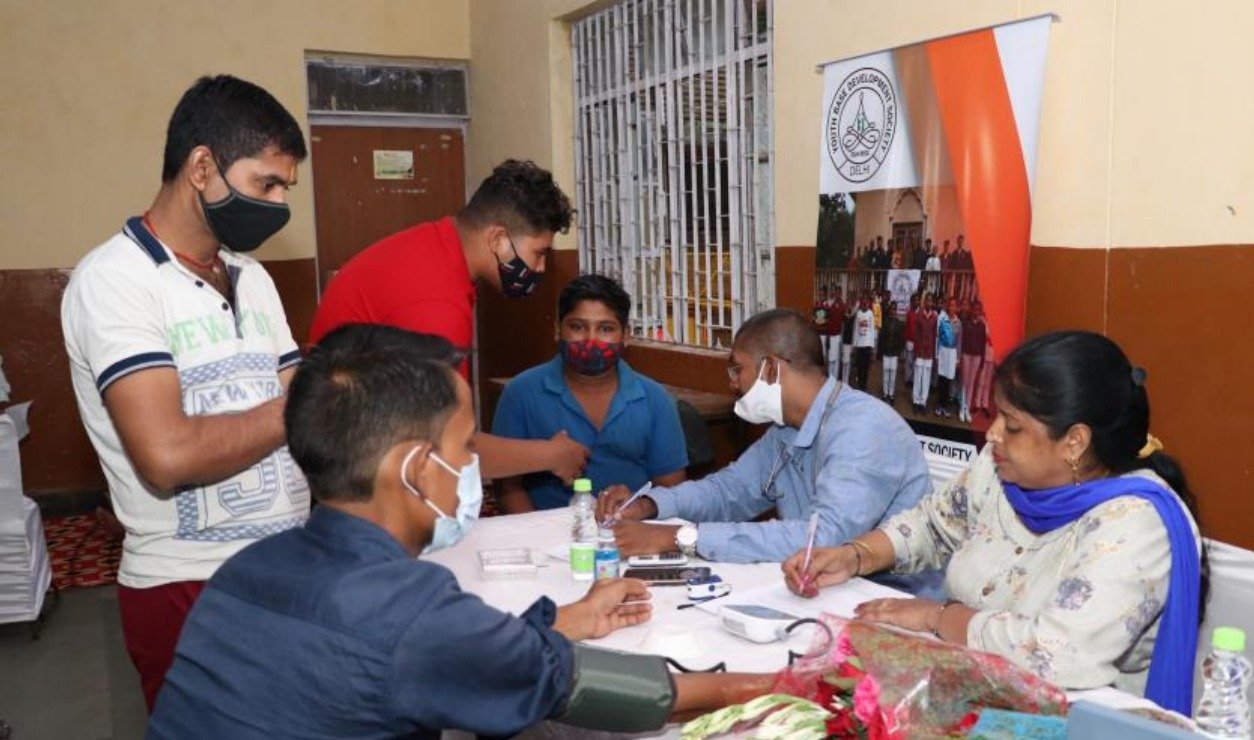
The camps include full body check-ups, blood pressure tests, sugar tests, eye check-ups, general physician consultation, health counseling, and awareness sessions.
Free medicines and referrals are also provided wherever required to ensure better healthcare support.
Implementation Strategy
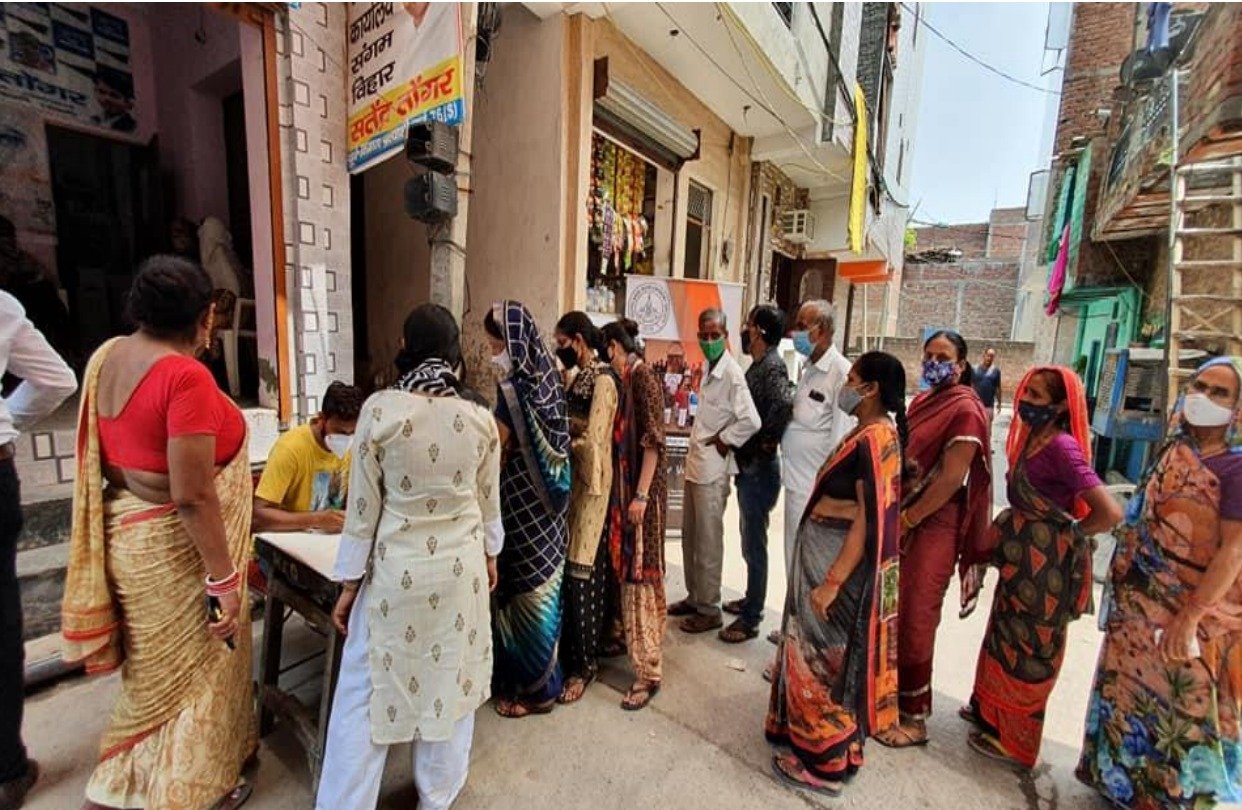
The camps are organized in slums, low-income communities, and areas with limited access to hospitals and clinics.
Teams of doctors, volunteers, and healthcare staff conduct regular camps to reach the maximum number of beneficiaries.
Annual Target: 5000+ Beneficiaries
Free Health Camps: 50+ Camps
Special Focus: Slum Areas & Poor Communities
Target Beneficiaries
The primary beneficiaries include families living in slums, daily wage workers, senior citizens, women, children, and economically weaker sections.
Special focus is given to elderly people and patients suffering from chronic diseases.
Community Impact
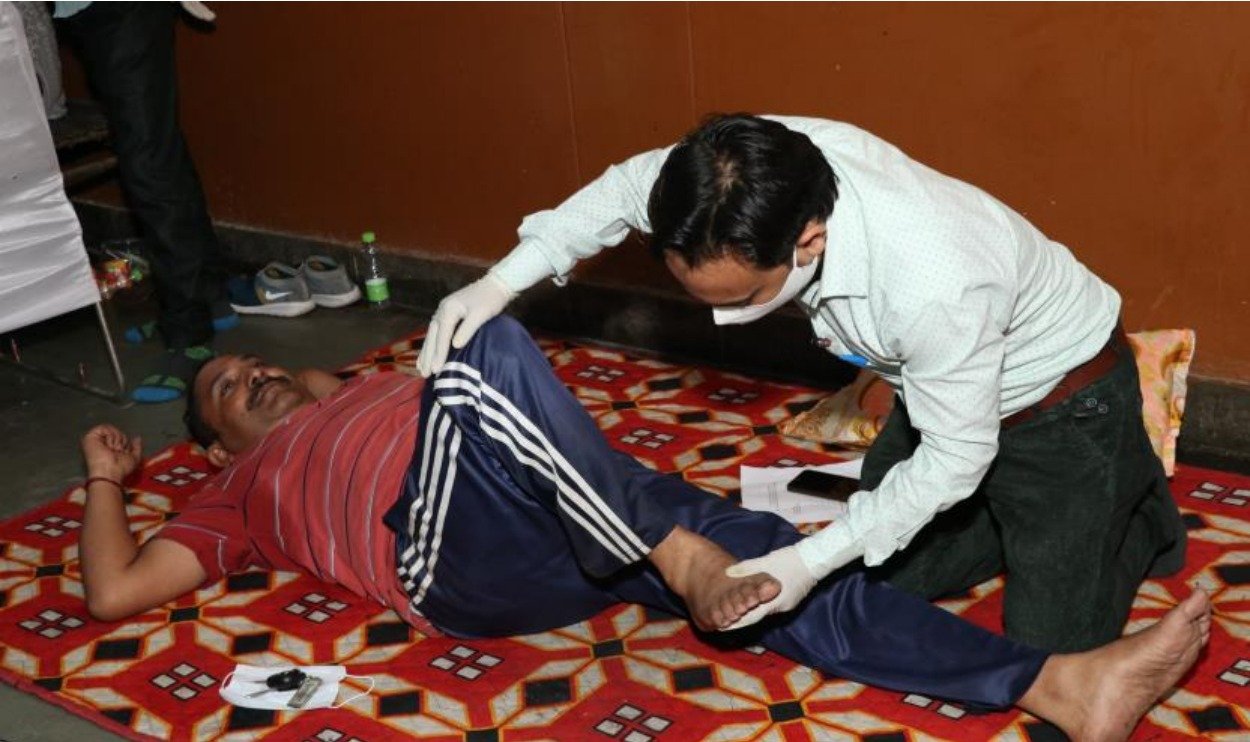
These camps help reduce healthcare accessibility gaps and provide timely diagnosis and treatment support to vulnerable communities.
The initiative also spreads awareness regarding preventive healthcare and regular medical check-ups.
Expected Outcomes
Health Awareness
Improved awareness and preventive care practices.
Early Diagnosis
Timely identification of medical conditions.
Community Welfare
Improved access to healthcare services.
Long-Term Impact
Over the coming years, YBDS aims to expand these camps across more urban slums and rural communities to benefit more than 50,000 people.
This initiative contributes significantly toward public health improvement and social welfare.